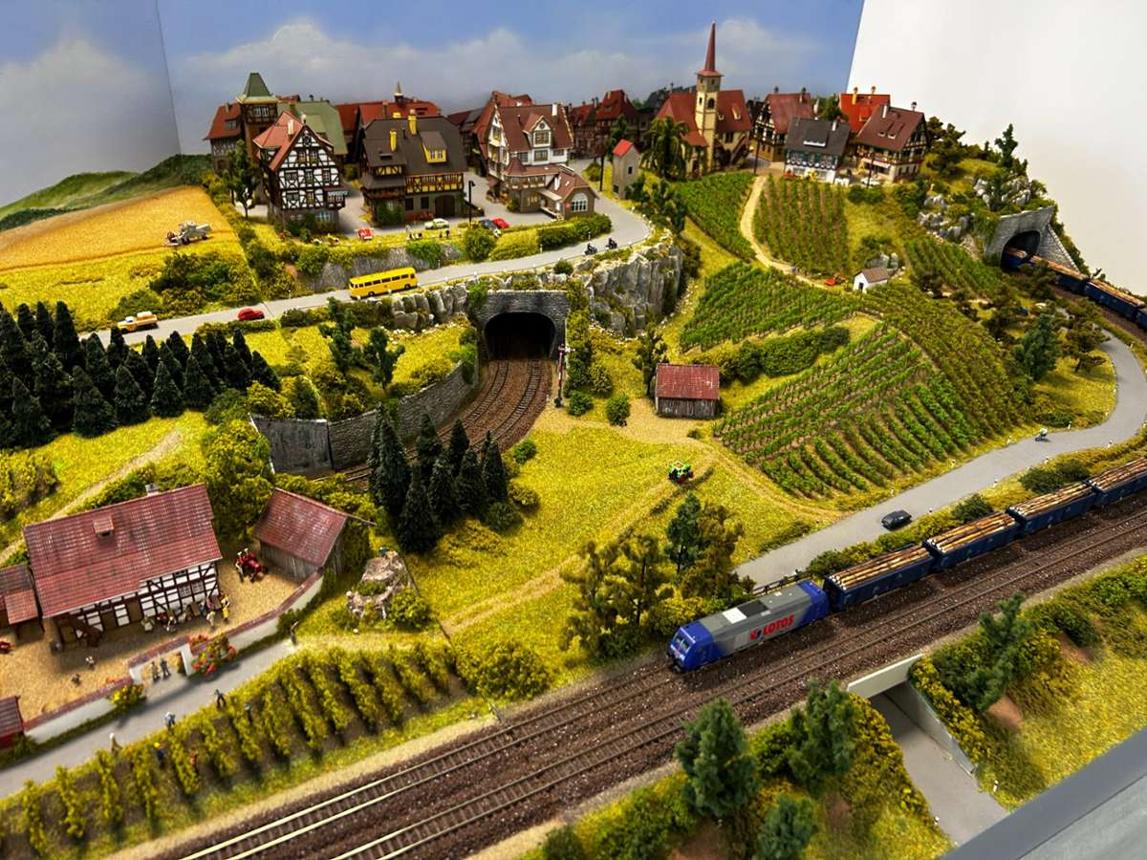
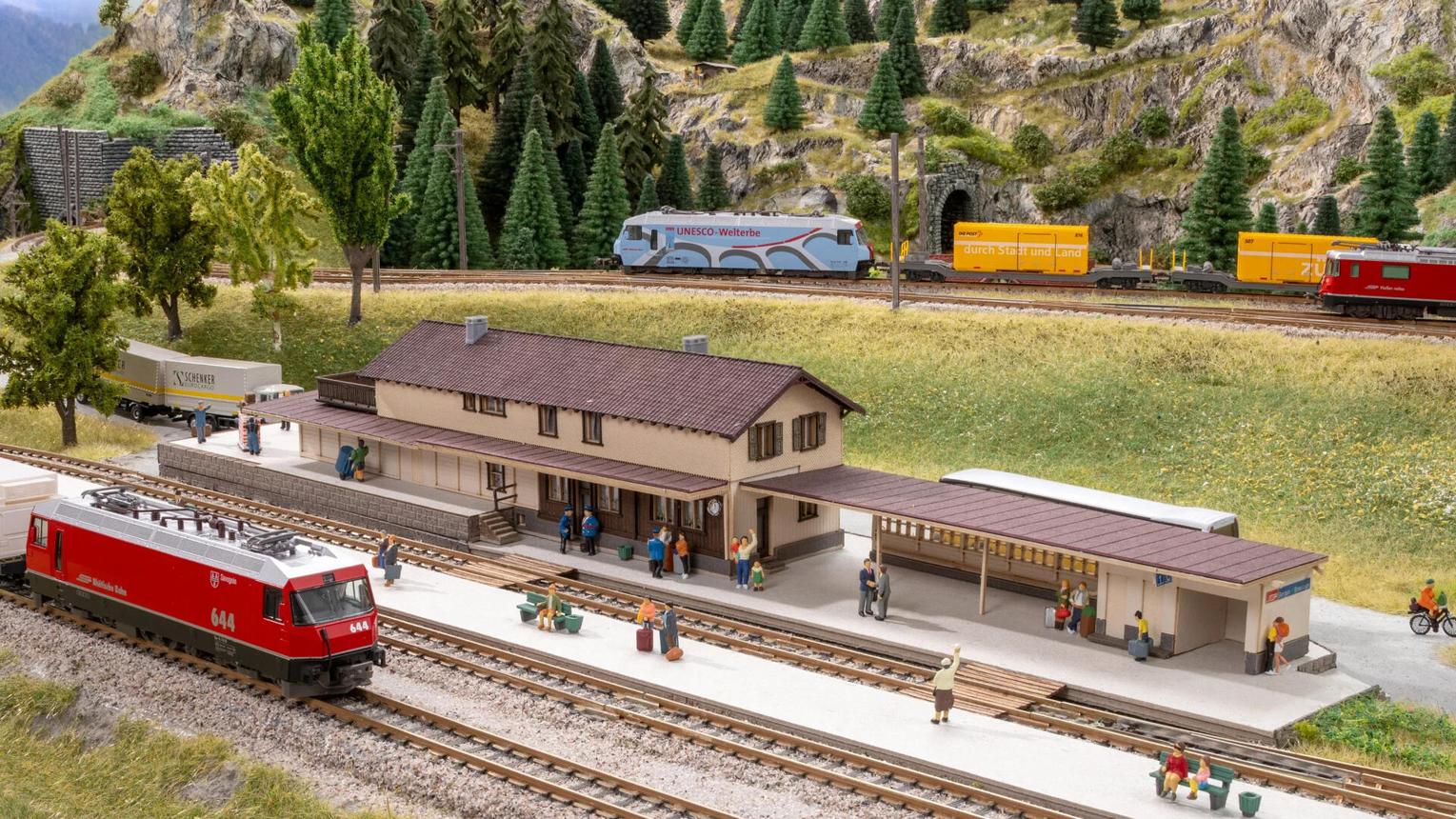
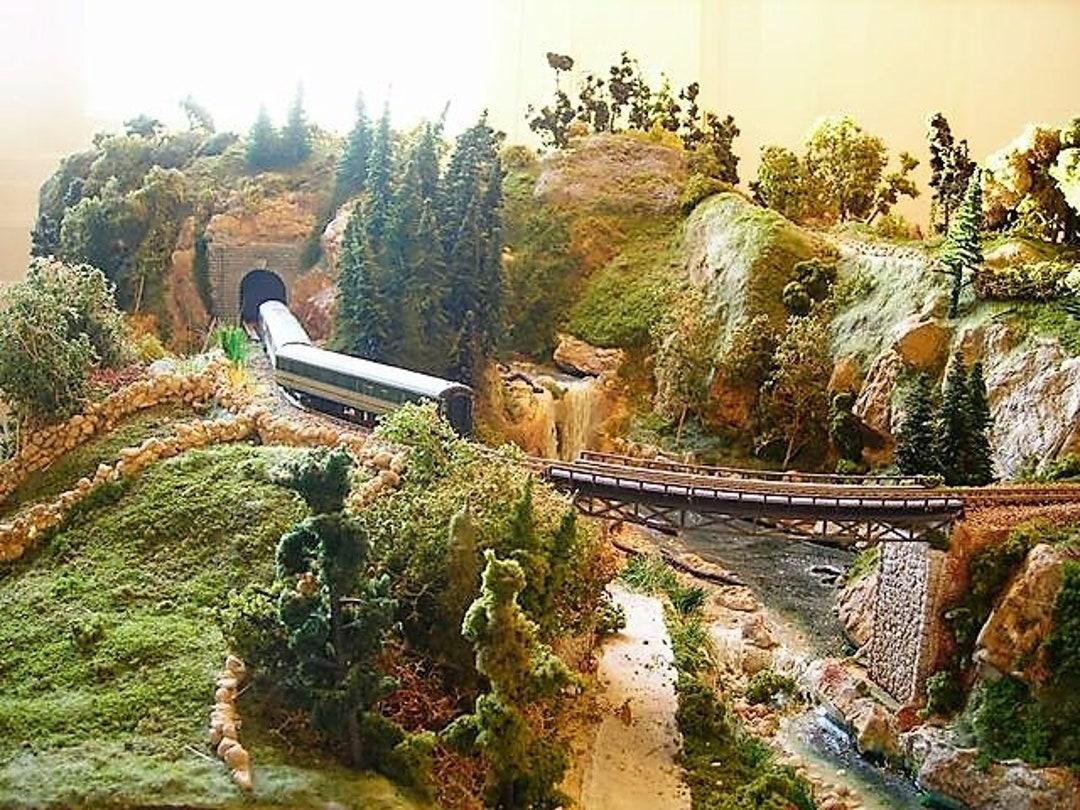
Few hobbies bring together as many different worlds as railway modelling. What initially looks like running little trains turns out, on closer acquaintance, to be a fascinating combination of history, architecture, electrical engineering, computing, painting and precision mechanics.
A model railway is much more than a collection of track and locomotives. It is a world you build yourself, where its creator decides what the landscape looks like, where towns emerge, how trains run and even which period is represented.
Perhaps that is its greatest attraction: you are not simply building a model, but creating an entire world of which you are the designer, builder and manager.
1. From toy trains to realistic miniature worlds
The history of model trains goes back to the nineteenth century. As railways transformed Europe, a desire arose to reproduce these impressive machines in miniature.
At first, these were mainly simple tinplate toy trains, often driven by clockwork. An important milestone came in 1891, when the German manufacturer Märklin presented a complete toy train system with track. This laid the foundations for the modern model railway.
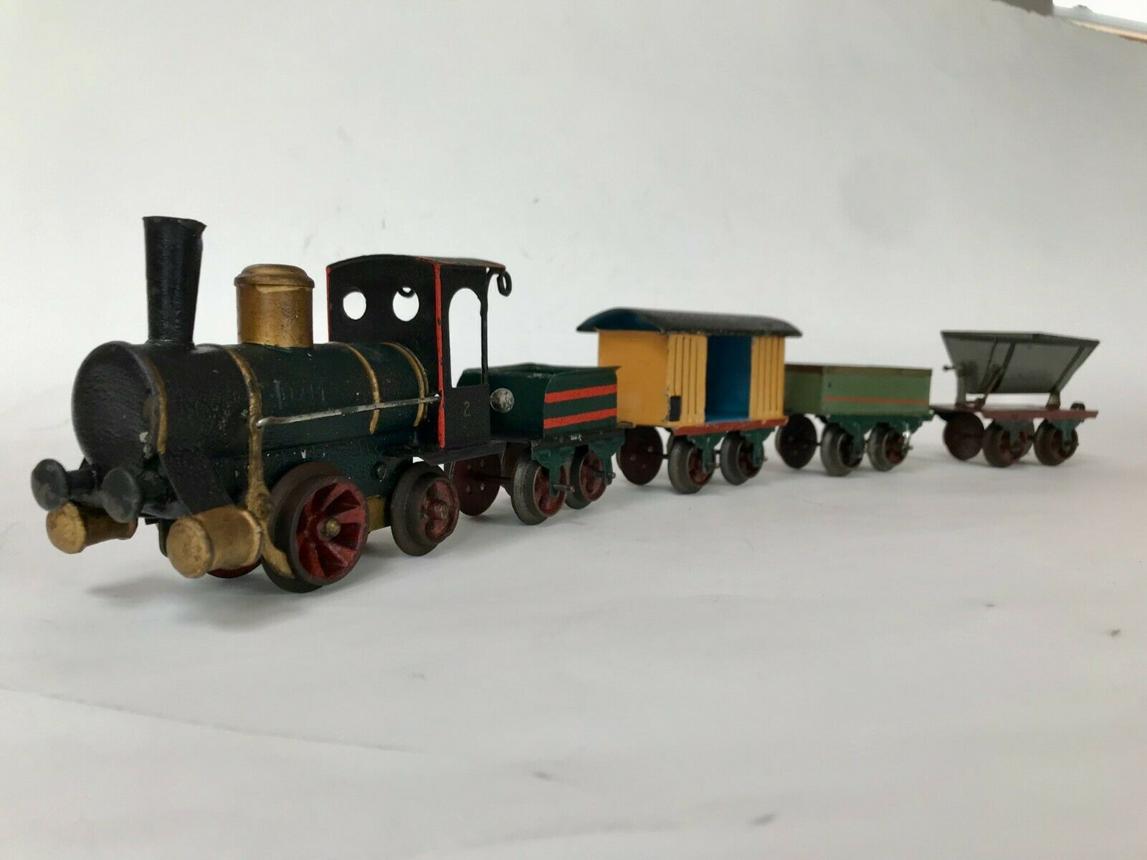
During the twentieth century, toy trains gradually developed into increasingly accurate scale models. Electric propulsion, smaller motors and better production techniques made it possible to reproduce complete railway networks, including points, signals, stations and landscapes.
Particularly after the Second World War, railway modelling became a mature hobby. Manufacturers increasingly focused on historical accuracy, fine detail and realistic running characteristics.
The main manufacturers
Various manufacturers have played important roles in this development.
| Manufacturer | Contribution to railway modelling |
|---|---|
| Märklin | A pioneer since the nineteenth century, particularly known for H0 and its three-rail system. |
| Fleischmann | Known for reliable models and, later, the N-scale Piccolo range. |
| Trix | Historically important in H0 and, through Minitrix, in N scale. |
| Arnold | A pioneer of modern European N scale. |
| Roco | Known for detailed models and digital control. |
| PIKO | A wide range across different price levels and scales. |
| KATO | Particularly valued for its N-scale models and reliable track systems. |
These manufacturers made railway modelling accessible to an ever-growing audience. Where many parts once had to be made by hand, today's enthusiast can choose from thousands of locomotives, carriages, wagons, buildings and accessories.
2. The digital revolution
Perhaps the most important change of recent decades is the transition from analogue to digital control.
On a traditional analogue layout, a locomotive's speed is determined by the voltage applied to the rails. Controlling several trains independently therefore requires a complicated division of the layout into electrically isolated sections.
The introduction of digital control fundamentally changed this.
Digital Command Control (DCC), standardised in the 1990s, allows individual locomotives to be controlled through digital commands carried by the rails. This made it much easier to run several trains independently on the same layout.
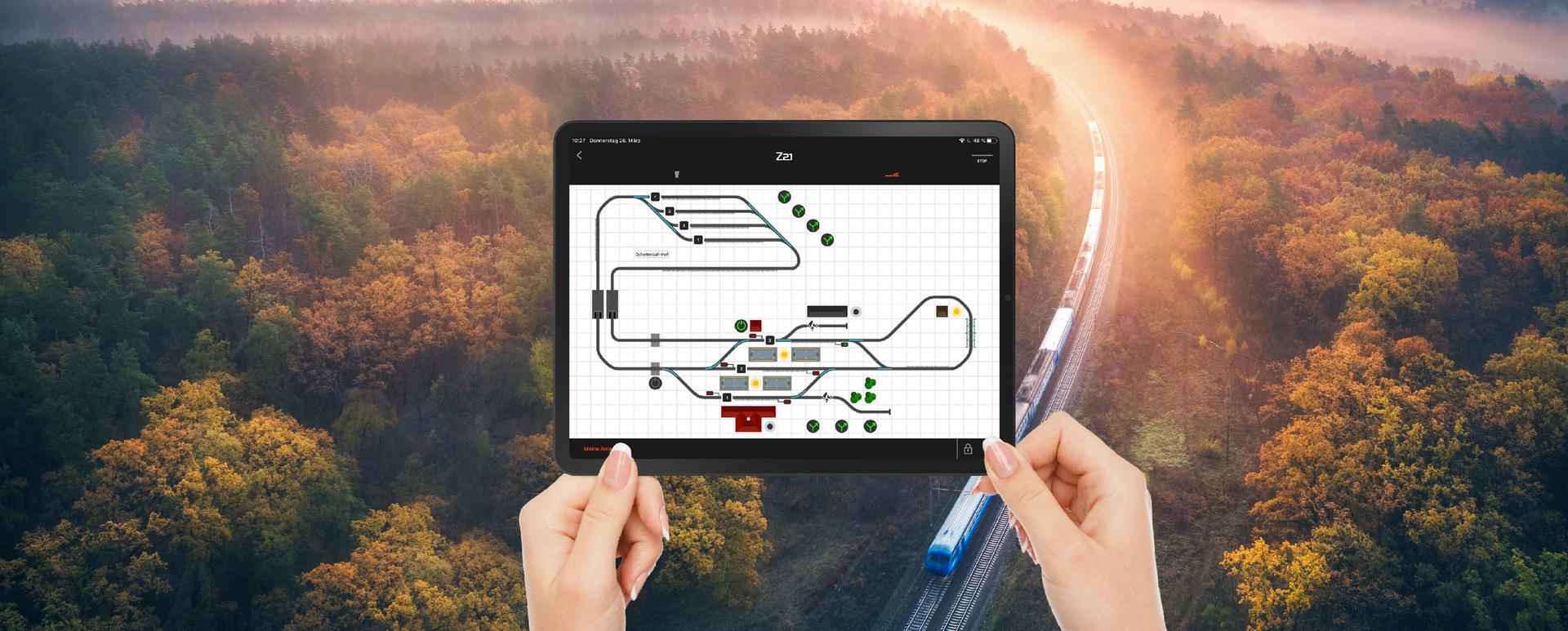
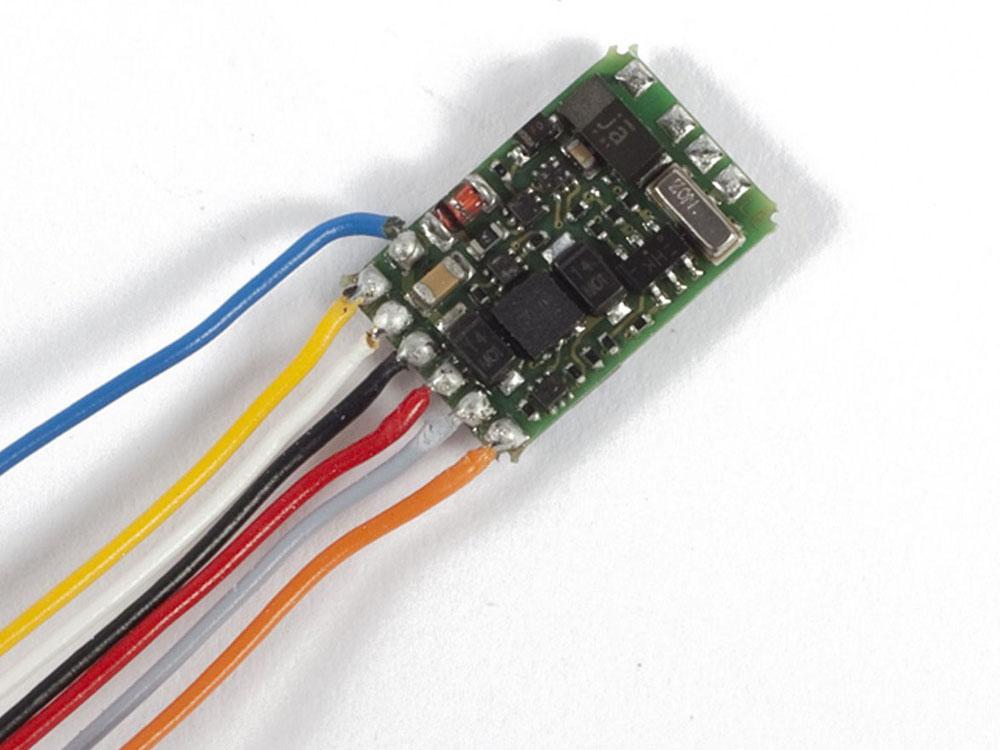
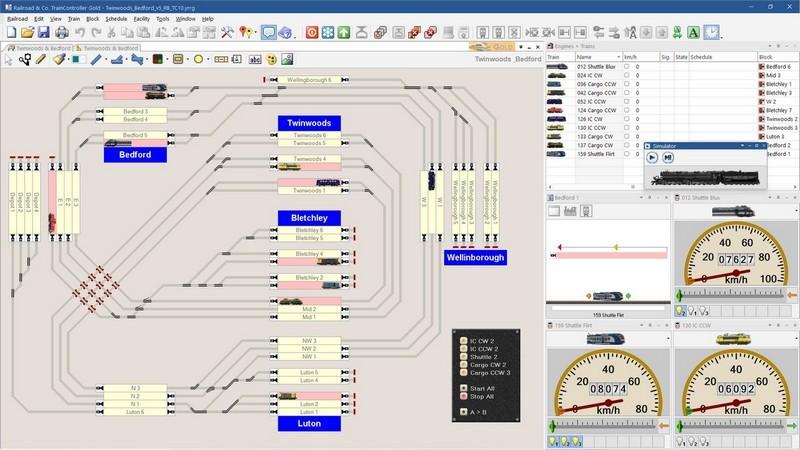
A modern model railway can now include:
- Digital locomotive control, including sound, lighting and realistic acceleration and braking.
- Electrically operated points, signals and level crossings.
- Sensors detecting where trains are located.
- Computer programs managing timetables and train movements.
- Automated routes, station interlocking and hidden storage yards.
- Control through smartphones, tablets and sometimes entirely self-developed software.
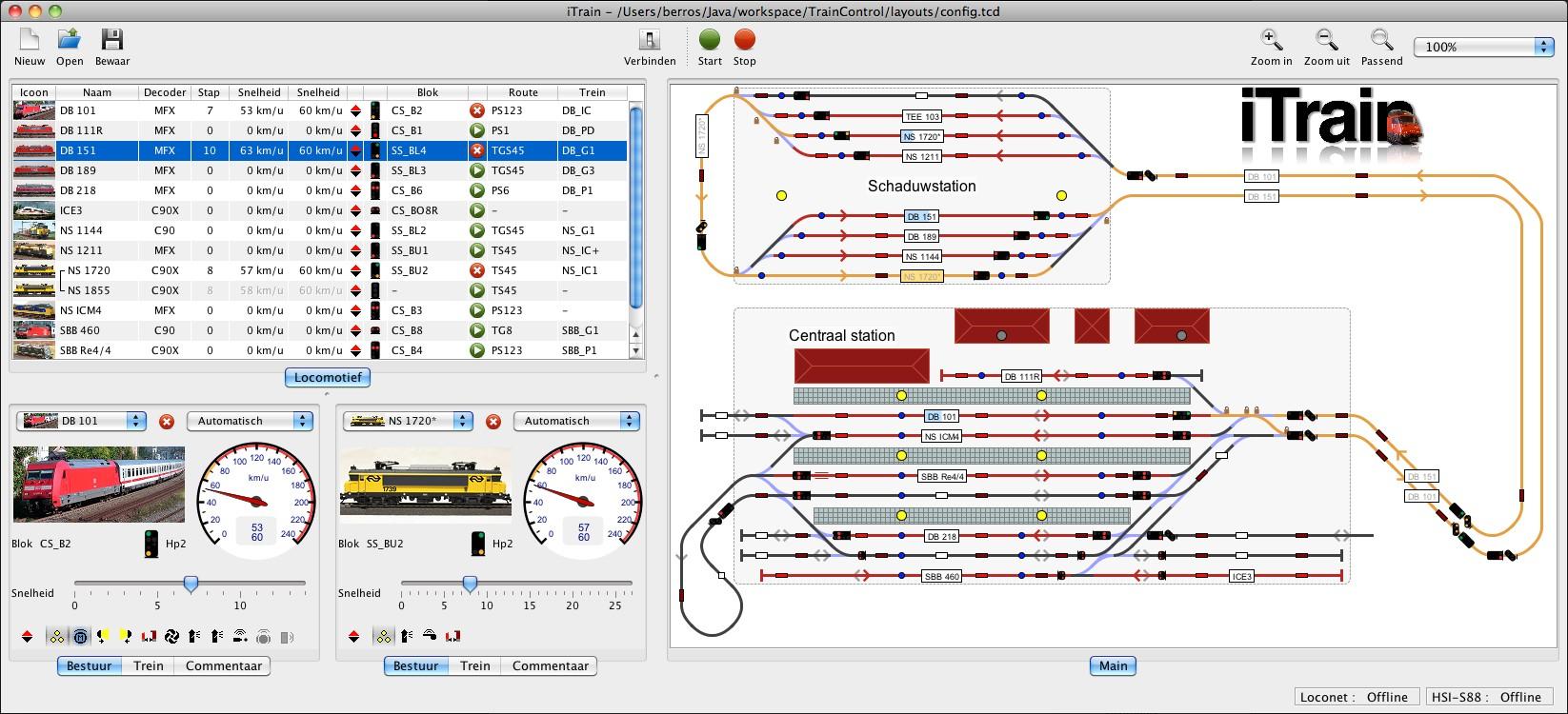
Programs such as iTrain, TrainController and Rocrail turn a model railway into something approaching a real traffic control system.
For anyone interested in software development, this is a particularly fascinating aspect of the hobby. The principles of state monitoring, automation, event processing and business rules are remarkably similar to those of professional industrial systems.
A model railway can therefore be both a creative hobby and an interesting technical laboratory.
3. Why railway modelling calls for so many different skills
What makes railway modelling so special is that almost nobody masters all the necessary skills at the outset.
Building a complete layout means continually learning new things.
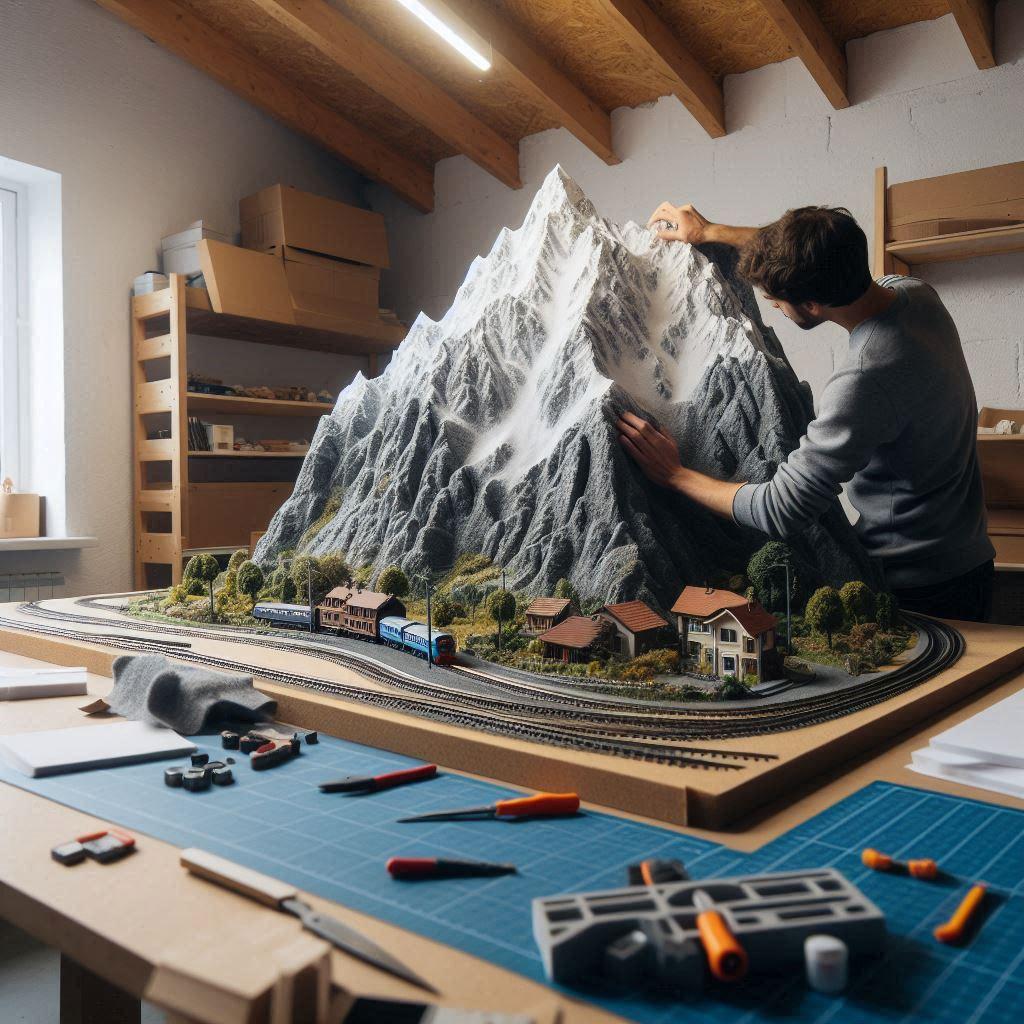
Creativity and painting
Mountains, rocks, rivers, forests and buildings need to be convincingly shaped. Colour, perspective, composition and an eye for detail all play important roles.
Electrical engineering and electronics
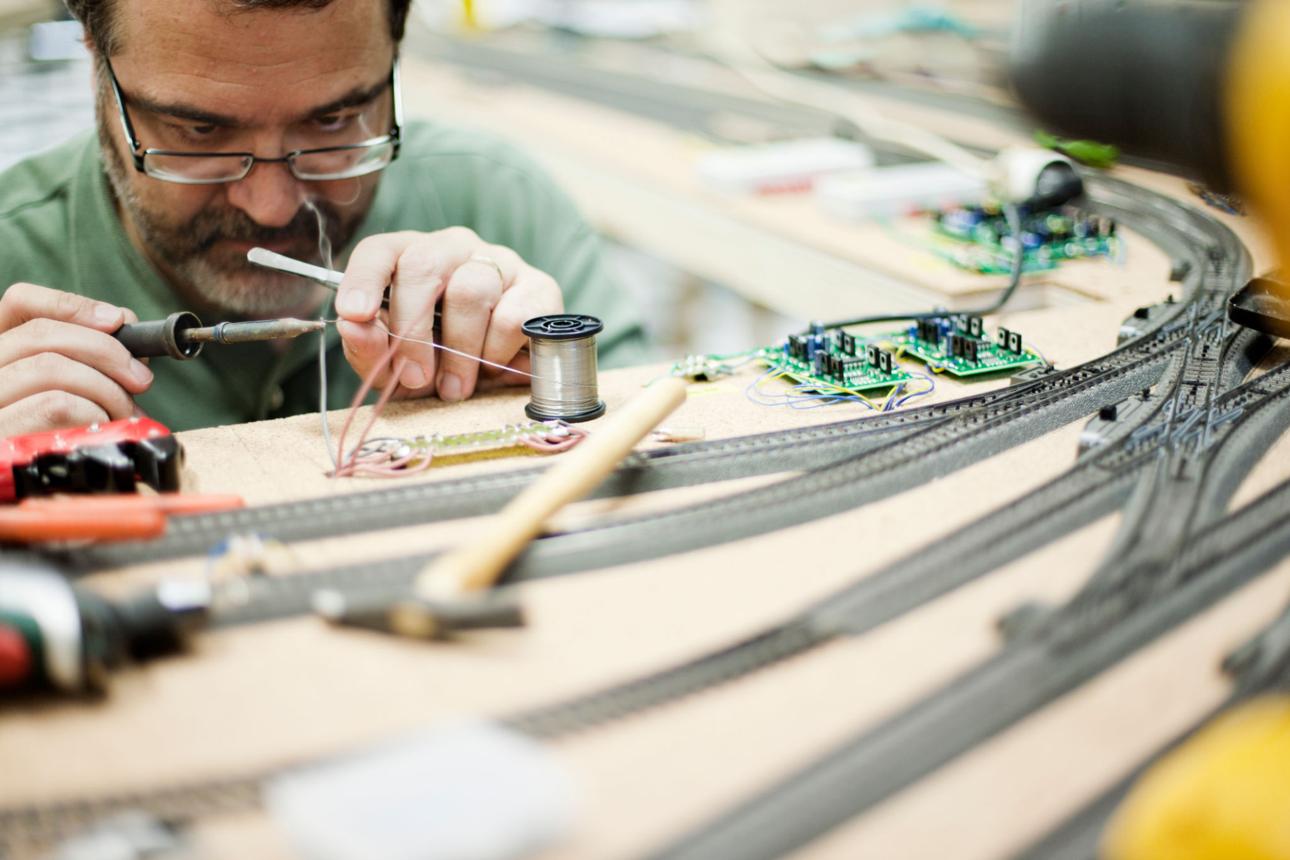
Locomotives, points, lighting and sensors must function reliably. You learn about wiring, soldering, power supplies, decoders and electronic circuits.
Spatial awareness and technical design
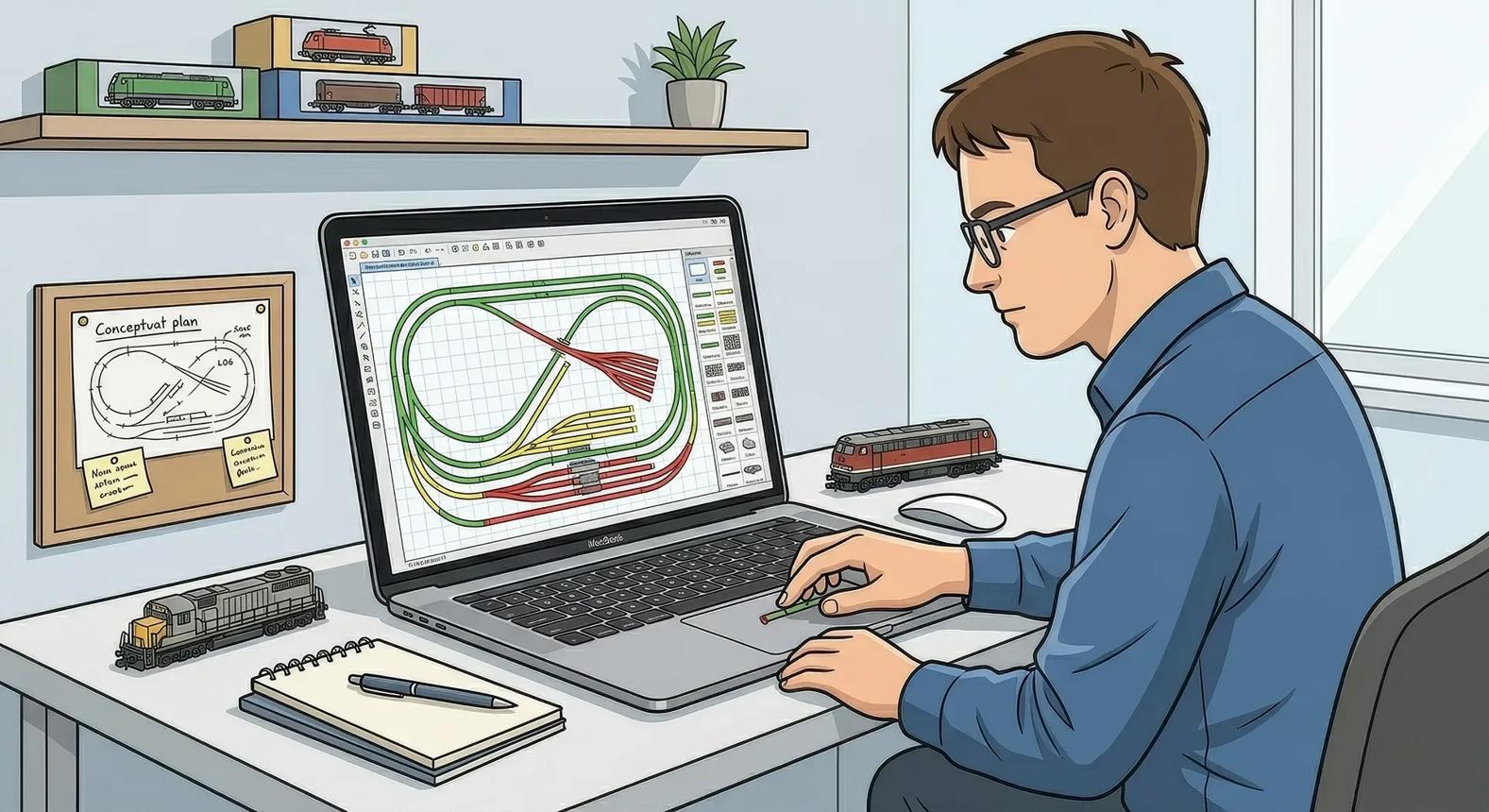
A railway requires planning. Curves, gradients, tunnels, stations and connections must fit the available space. This involves geometry, scale calculations and three-dimensional thinking.
Architecture, history and research
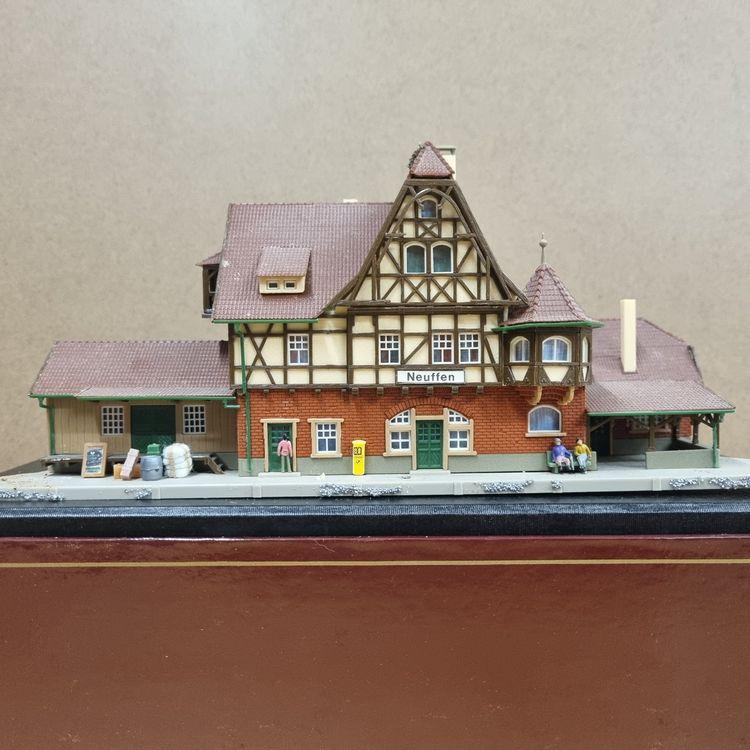
A historical model railway requires knowledge of architecture, vehicles, infrastructure and daily life in a particular period. Old photographs and railway documents provide valuable inspiration.
Computing and automation
Modern digital layouts offer opportunities to bring together logic, sensors, software and automation. Those who wish can even develop their own control software.
Railway modelling also requires patience, precision and problem-solving skills. Not every tunnel fits immediately, not every locomotive runs perfectly straight away, and sometimes a carefully designed track plan still needs changing in practice.
That is precisely what makes the hobby engaging. There is always something to improve, discover or learn.
A railway modeller is therefore simultaneously an artist, architect, electrician, engineer, historian and sometimes even a programmer.
4. The rise of N scale: a small revolution
An important step in railway modelling's history was the introduction of N scale.
In 1962, Arnold introduced the Rapido range at 1:160 scale, with a track gauge of just nine millimetres. In 1964, N was recognised as a standard in Europe. Other manufacturers, including Minitrix and Fleischmann, followed with their own models.
The letter N refers to the number nine, because the track gauge is nine millimetres.
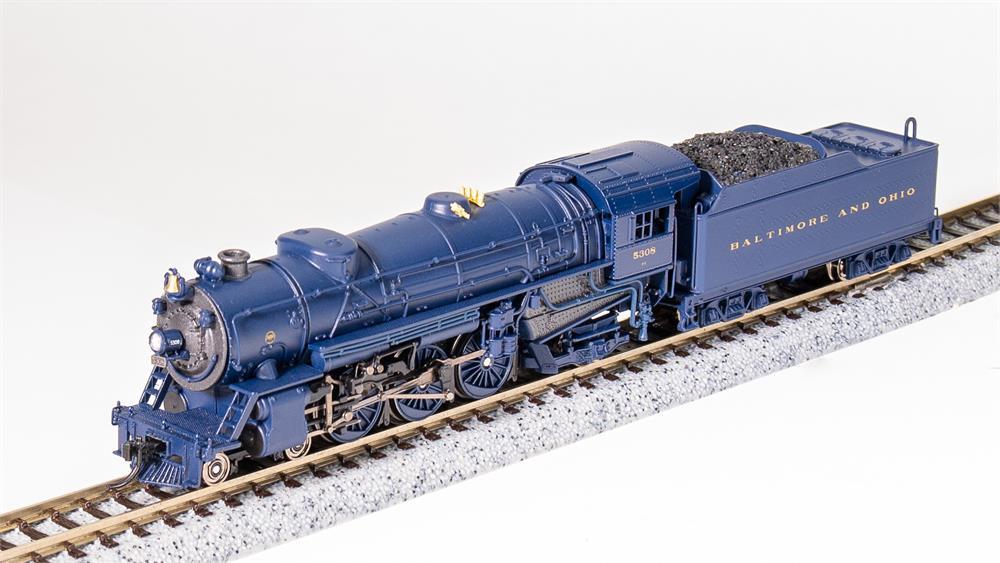
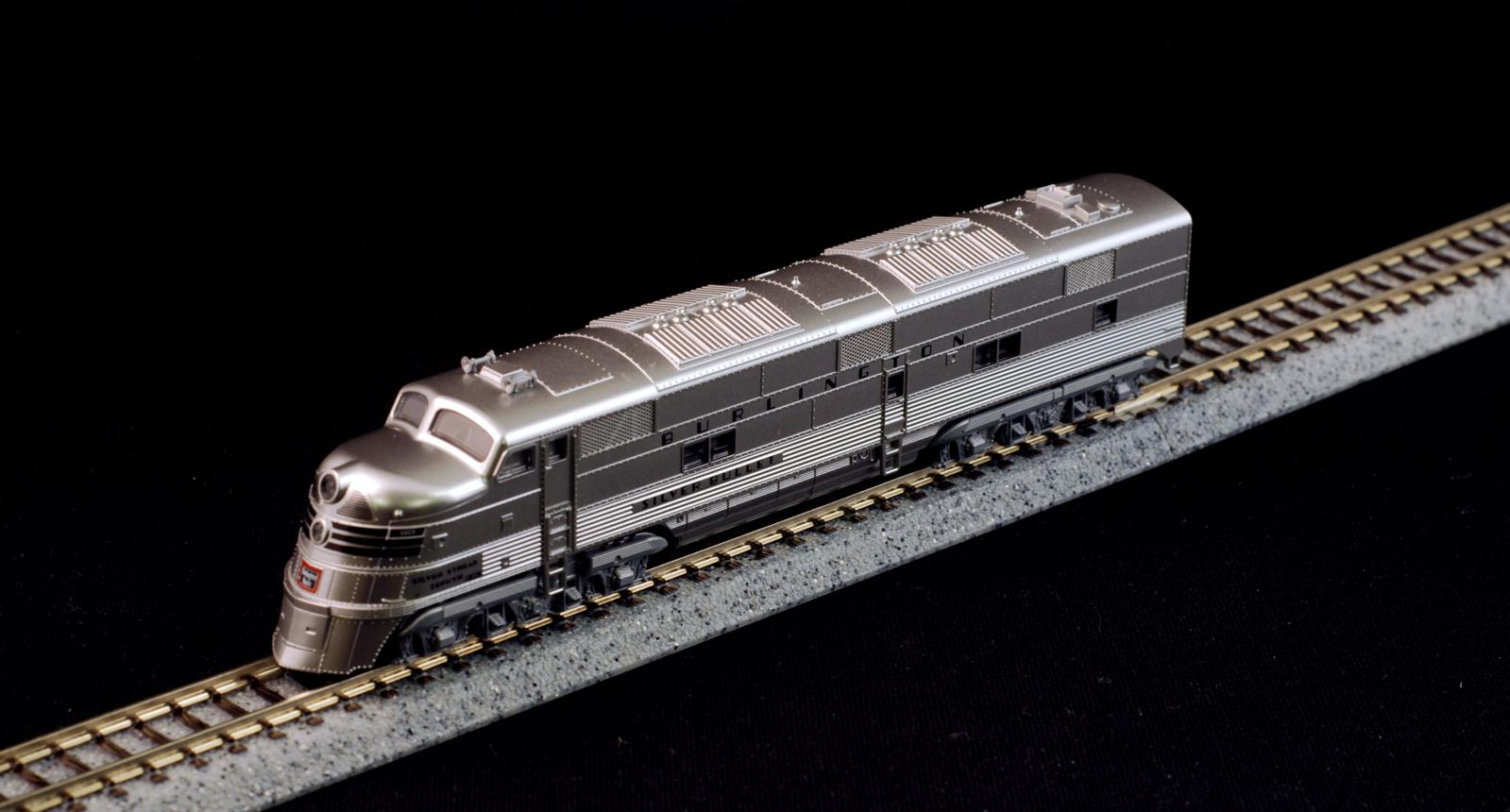
| Scale | Ratio | Track gauge |
|---|---|---|
| H0 | 1:87 | 16.5 mm |
| N | 1:160 | 9 mm |
In H0, one metre in real life becomes approximately 11.5 millimetres. In N scale, it becomes just 6.25 millimetres.
That difference may sound small, but has enormous implications for the space required.
An N-scale layout with a comparable design occupies approximately 30% of the area of an H0 layout. Put differently, the same space can theoretically hold more than three times as much railway landscape.
5. Why N scale is ideal without a large attic
Many people associate railway modelling with enormous layouts filling entire attics. But that much space is not necessary.
N scale makes it possible to create a surprisingly extensive railway world on a relatively modest table.
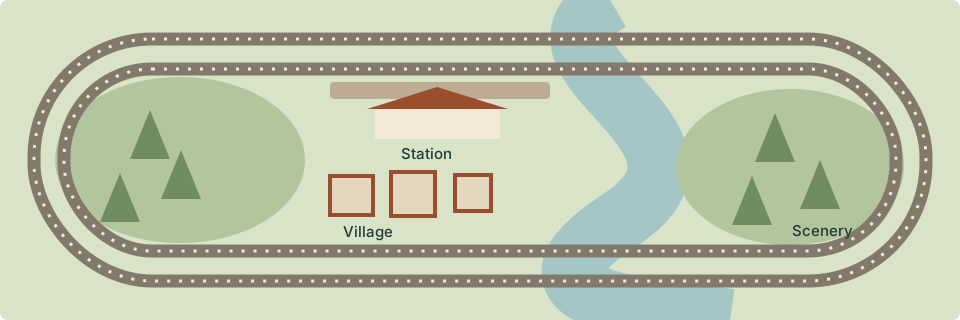
Imagine a table measuring 240 by 70 centimetres.
What does a 240 × 70 cm table represent in real life?
N scale — 1:160
384 × 112 mReal-world dimensions represented by the table
H0 scale — 1:87
209 × 61 mReal-world dimensions represented by the same table
On such an N-scale layout, you might combine a small station, a double-track line, a village, several tunnels and a modest shunting yard. The precise track plan naturally depends on the available curve radii and access to the track.
N scale has another important advantage: it gives the landscape more space relative to the train.
A railway line can wind through broad fields, a train can cross a bridge and then disappear behind a hill. This more readily creates the impression of a real landscape, rather than a train continually running around tight circuits.
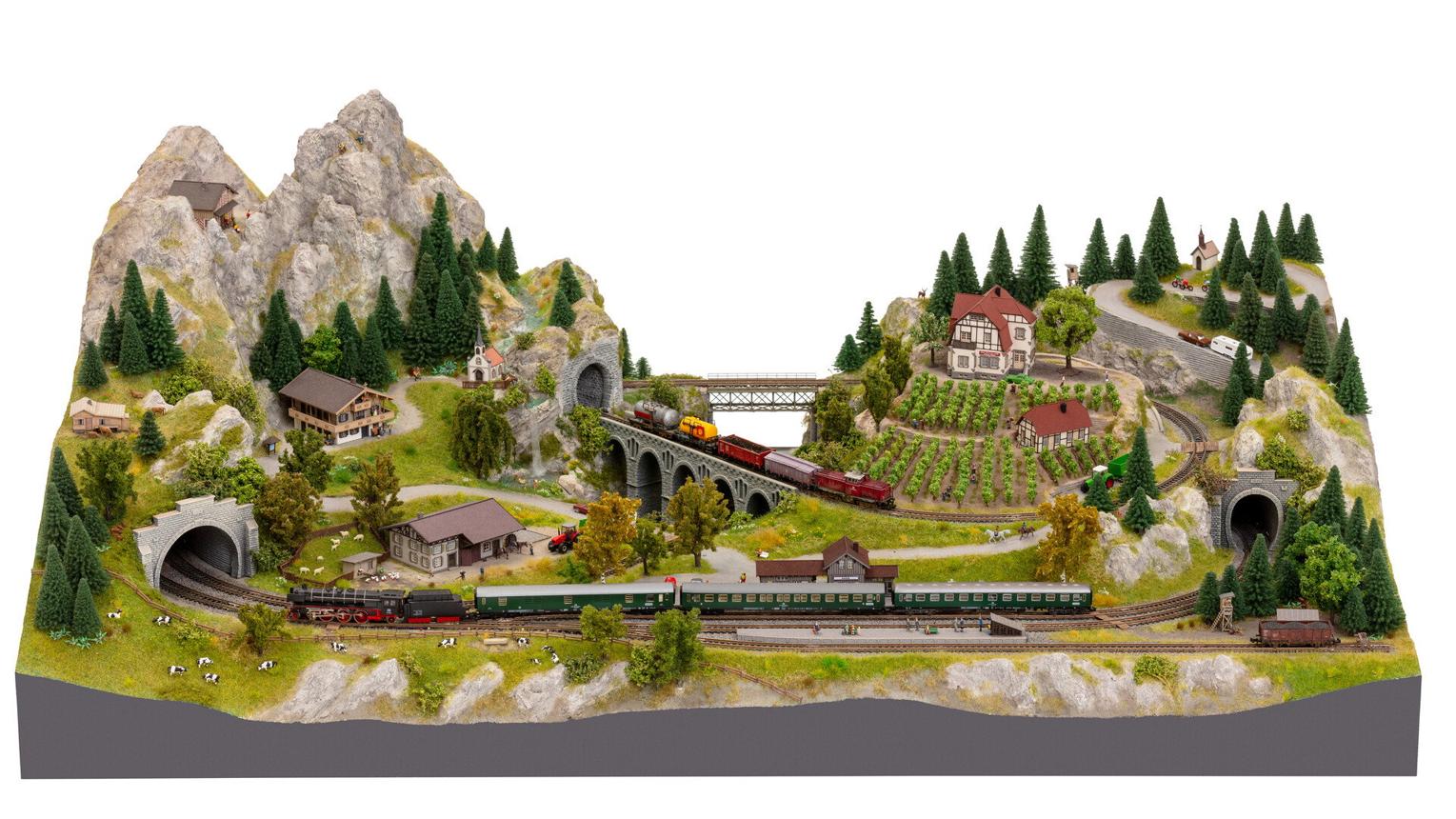
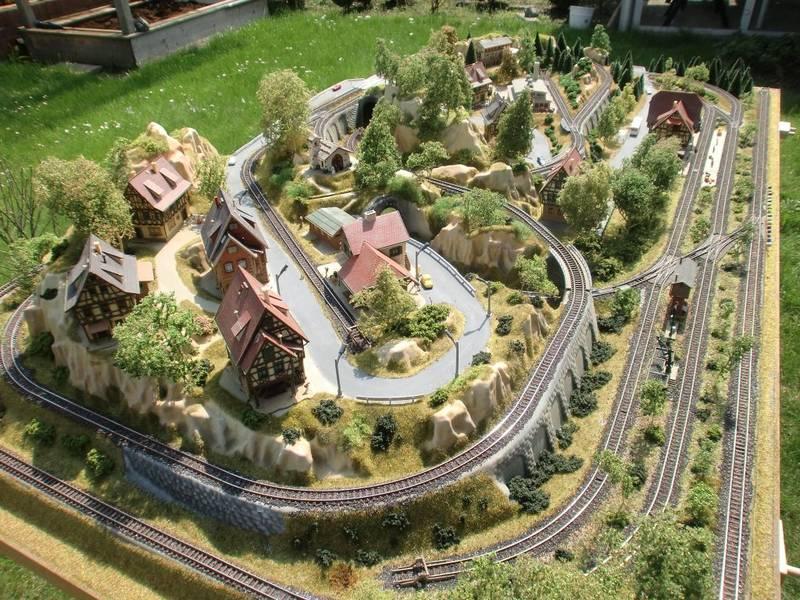
That makes N particularly attractive to enthusiasts who want to build entire landscapes, rather than simply collect trains.
There are drawbacks. The small size demands more precision in fine details, makes good track laying especially important, and can make maintenance and placing tiny components more challenging. Digital decoders and speakers are also harder to fit inside small locomotives.
However, modern production techniques, precise miniature motors, LED lighting and ever-smaller electronics have considerably reduced many of these limitations.
6. A hobby that grew with technology
Railway modelling is certainly not a hobby that has remained stuck in the past.
On the contrary: new technologies continually create new possibilities.
3D printers allow enthusiasts to design and produce their own buildings, bridges and accessories. Laser cutters produce extremely precise components. Small microcontrollers such as Arduino and ESP32 can control lighting, moving objects and all kinds of accessories.
Artificial intelligence is also beginning to play a role, for example in designing track plans, developing control software, creating background landscapes and assisting with 3D design.
This creates an interesting combination: a hobby with origins more than a century ago, in which the latest digital technologies can be readily applied.
7. A world that is never quite finished
Perhaps the best thing about railway modelling is that a layout never has to be truly complete.
There can always be another building to add, a piece of scenery to improve or a new technical solution to try.
One day, you are painting an old station building. The next, you are designing an electronic circuit or trying to make a locomotive stop with centimetre precision under computer control.
What makes it special is that all these activities ultimately come together in one tangible result: a small world gradually coming to life.
And you do not need an enormous attic, a professional workshop or years of experience. A modest table, some curiosity, patience and a willingness to learn new skills are enough to get started.
N scale proves that a large world does not necessarily require much space.
Perhaps that is the essence of railway modelling: it is not the size of the layout that determines how much enjoyment it brings, but the imagination, creativity and personal attention you put into it.
Railway modelling is not just a hobby for train enthusiasts. It is for people who enjoy creating things, understanding how they work and continually developing their own small world.