A brush, a little colour and a surface. In principle, that is all you need to make a world visible. Painting connects observation with imagination: you look at something that exists and turn it into something that did not exist before.
From animals on a cave wall to a contemporary abstract canvas stretches a long history of trying, looking and starting again. You do not need to know that entire history to paint. Yet discovering different styles can broaden your own perspective — and reveal how much freedom this hobby offers.
It begins on a cave wall
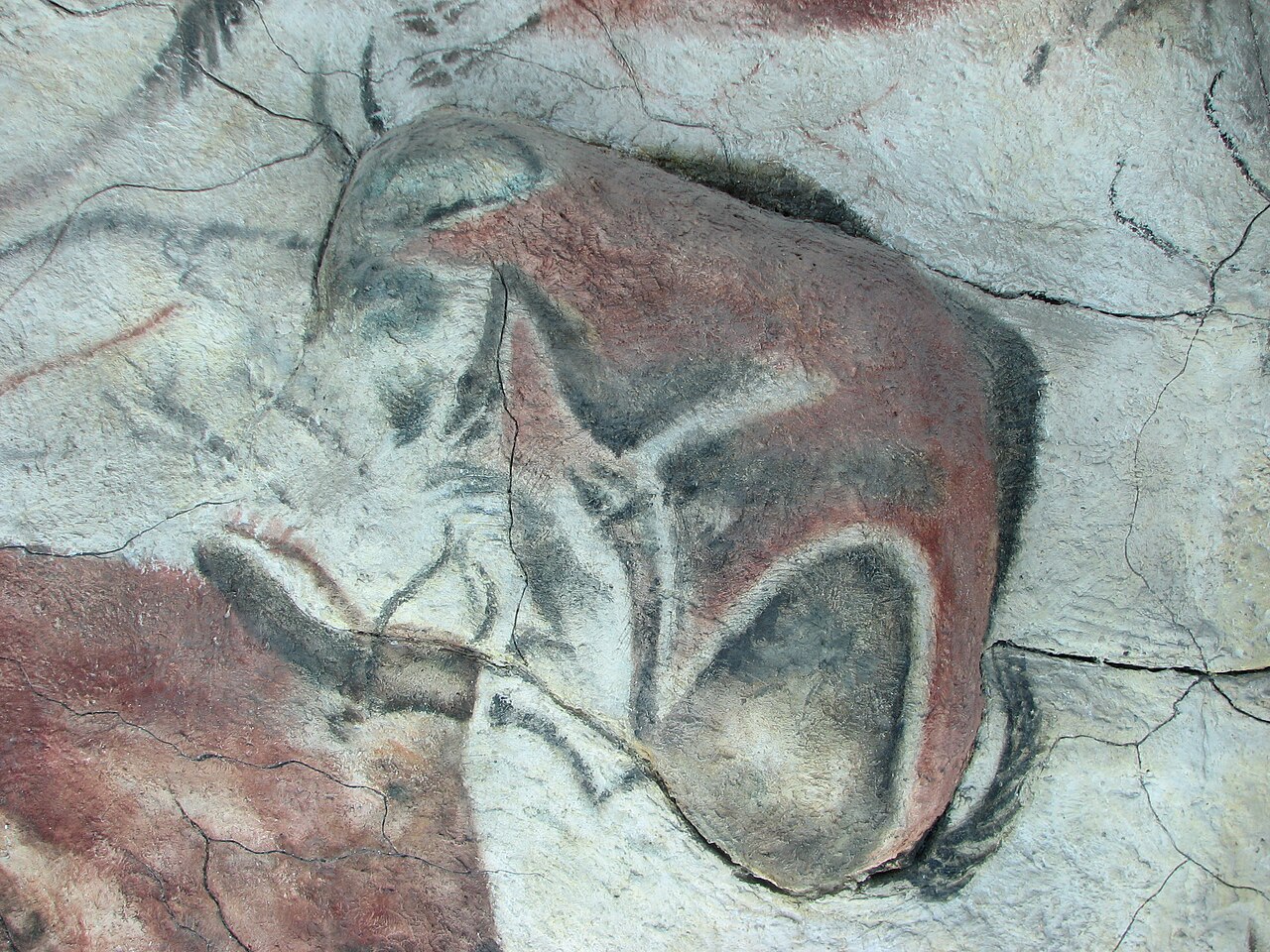
Painting is far older than written history. In prehistoric caves, people depicted animals, signs and handprints using pigments from their surroundings. The paintings at Chauvet, for example, date back approximately 36,000 years. They belong to a long tradition; it is impossible to identify a single, undisputed ‘first painting’. Source: the French Ministry of Culture.
The animals are not random marks. Their lines reveal movement, volume and careful observation. We do not always know exactly what their makers intended. But the ability to evoke something recognisable and alive with a few lines remains impressive.

From walls and panels to canvas
In antiquity, painting found its place in buildings, tombs and everyday life. In medieval Europe, murals, panels and illuminated manuscripts often told religious stories. Rich traditions also developed beyond Europe, including Chinese ink and landscape painting. This history cannot be reduced to a single European progression.
During the Renaissance, European painters explored perspective, anatomy and the depiction of space. In the Baroque period, light, movement and contrast took prominent roles. The seventeenth-century Netherlands also saw great interest in interiors, landscapes, portraits and still lifes.
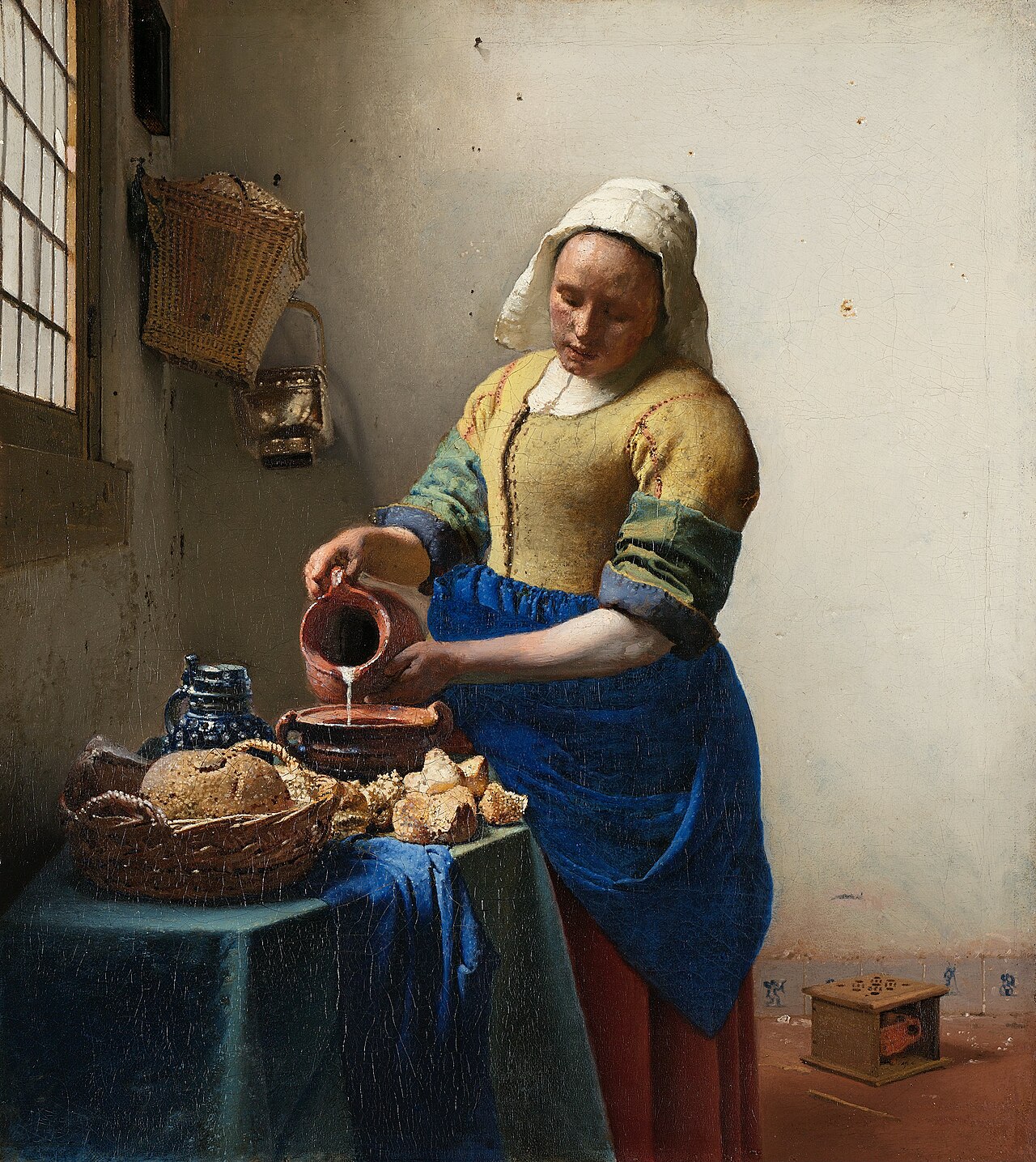

A painting such as Vermeer's The Milkmaid is about more than its subject. Light along a wall, relationships between colours and the stillness of an action together shape the experience. Attention can make the ordinary extraordinary.
Different styles, different ways of seeing
A style is not a compulsory recipe. It is a way of choosing what matters to you: recognition, atmosphere, light, movement, emotion or the independent effect of colour and form. Movements overlap, and artists rarely fit entirely into one category.
| Style or movement | What is the focus? |
|---|---|
| Renaissance | Perspective, space, proportions and the human figure. |
| Baroque | Movement, drama and strong contrasts between light and dark. |
| Realism | Visible life and everyday subjects, without necessarily idealising them. |
| Impressionism | Changing light, colour and the impression of a moment. |
| Post-Impressionism | Diverse explorations of colour, structure and personal expression. |
| Expressionism | Feeling and experience, with freer use of colours and forms. |
| Cubism | Breaking down forms and bringing multiple viewpoints together in one image. |
| Abstraction | Colour, line, rhythm and composition, without requiring a recognisable subject. |
| Surrealism | Dream imagery, unexpected combinations and imagination. |
| Contemporary painting | Many approaches: figurative, abstract, mixed and in dialogue with digital media. |
The Impressionists explored light and the fleeting nature of perception. Cubism, meanwhile, challenged the assumption of a single fixed viewpoint. These are two different answers to the same question: how can you depict the world on a flat surface? More about Impressionism · More about Cubism.
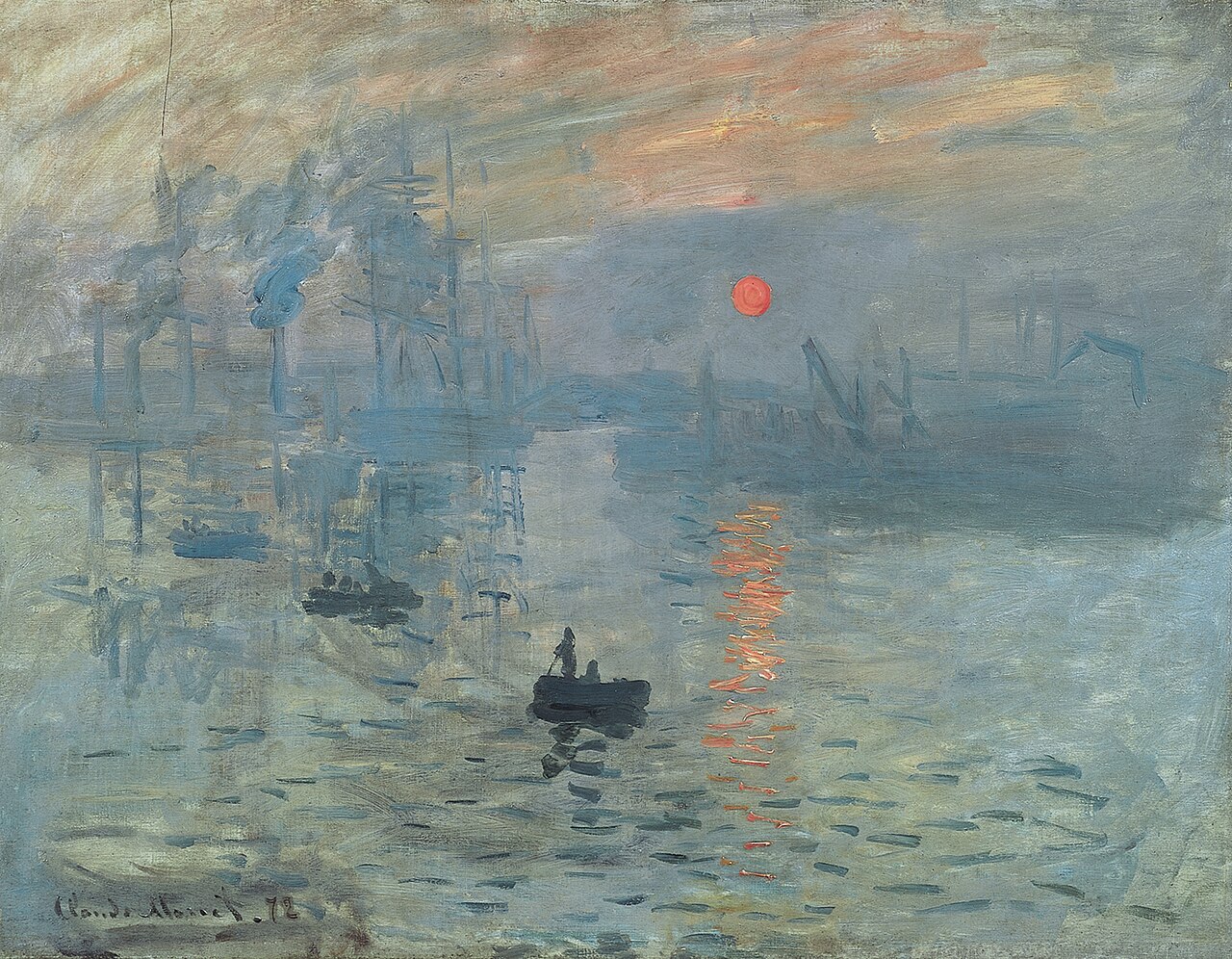

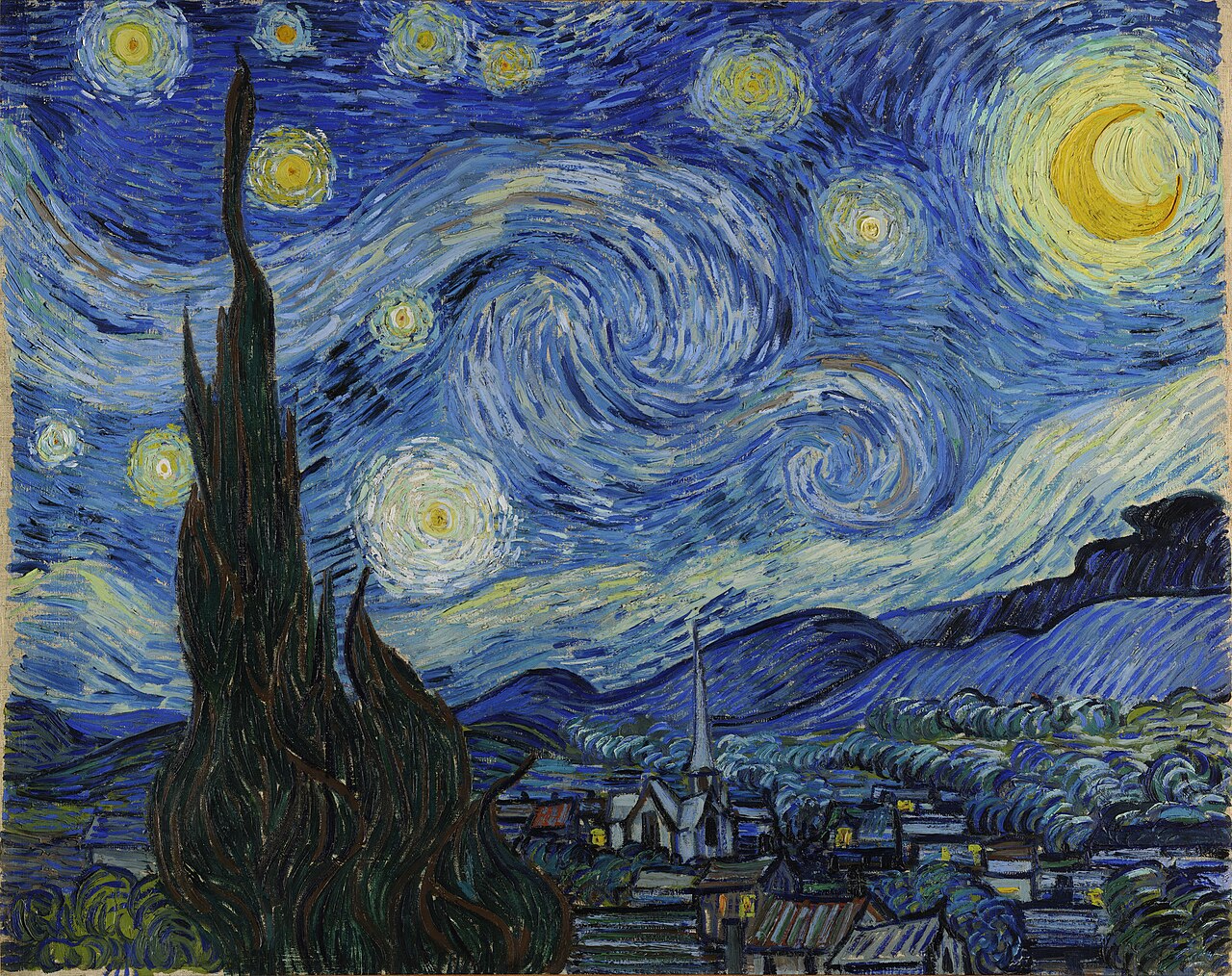

Monet's Impression, Sunrise and Van Gogh's The Starry Night show how differently a landscape can be approached. An impression of light carries one composition, while rhythm and expressive brushwork play striking roles in the other. Read MoMA's commentary on The Starry Night.
From recognition to imagination
A painting need not resemble a photograph to be convincing. A circle, a line or a field of colour can evoke tension or calm. In abstract work, relationships determine how your eye moves through the image.
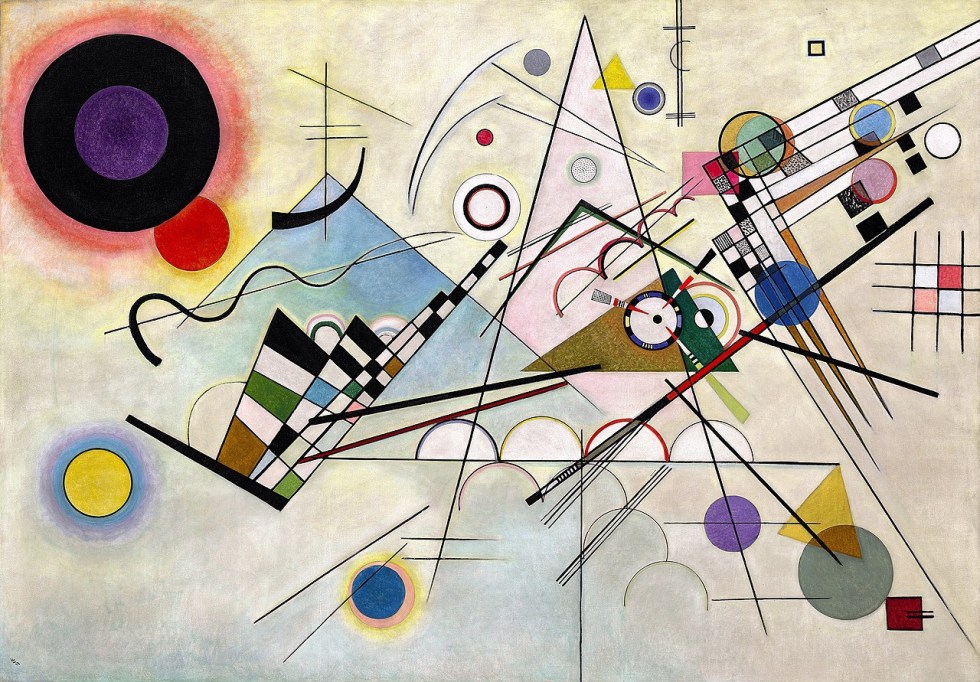

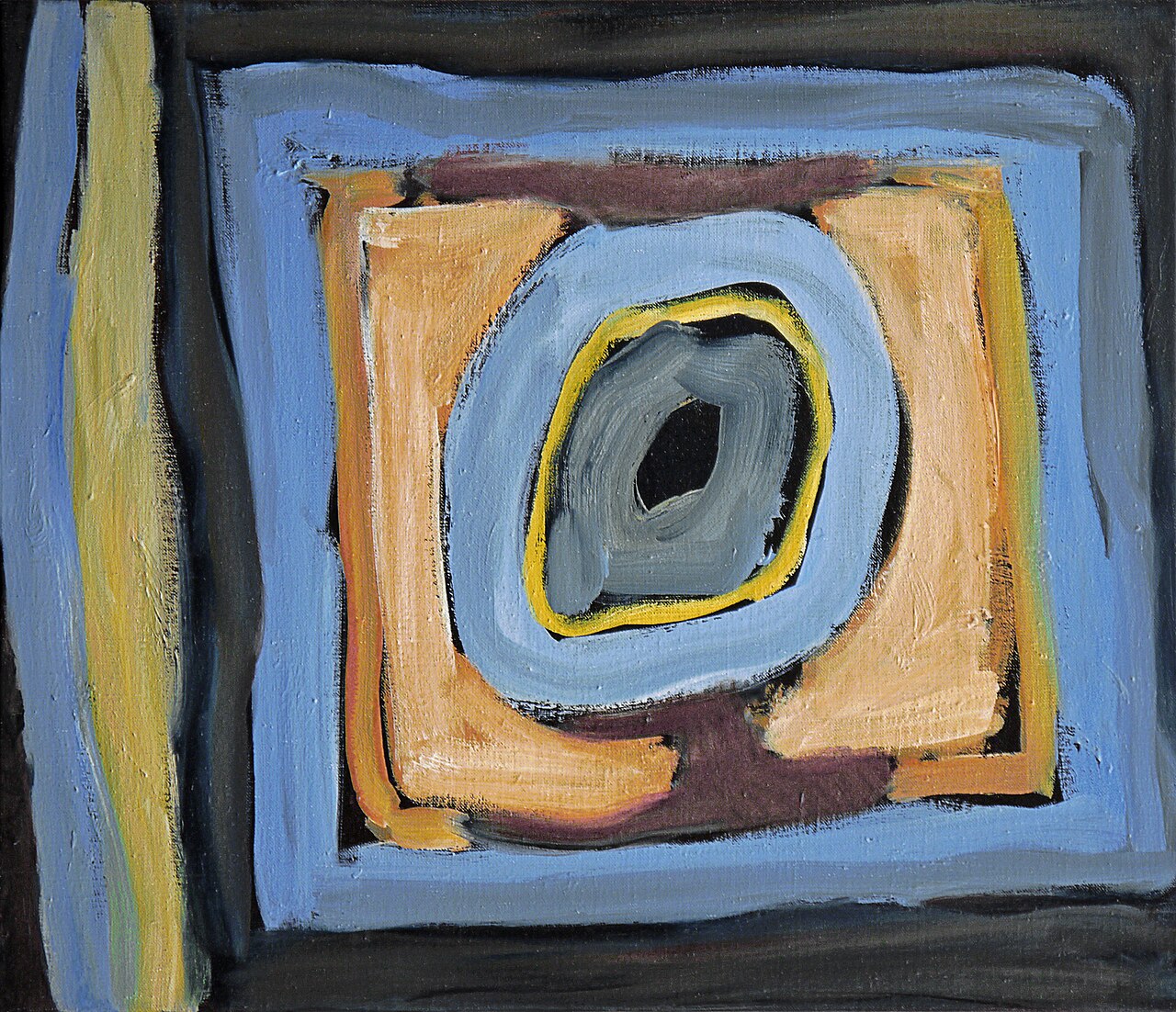

Today too, countless approaches coexist within painting. Some painters seek great technical precision; others let the gesture or the material speak. Photography, digital sketches and new materials can become part of the process. The freedom to make your own choices remains the starting point.
Why painting can be so relaxing
Painting offers something easily lost in a busy life: attention to one activity without needing to finish everything immediately. You consider a colour, mix another shade and explore what is happening on the canvas. The activity requires concentration, yet can also give your thoughts room to move in a different direction.
For many enthusiasts, that is where the calm lies. There is no compulsory outcome and no single correct solution. An unsuccessful brushstroke can prompt a new form. You can slow down, let something dry and continue tomorrow.
The tangible quality is just as appealing. While digital work often remains behind a screen, here you see the traces of your own hand. A sheet of paper or blank canvas gradually becomes something personal. Enjoyment need not depend on whether the result ever hangs on a wall.
You do not need to create a masterpiece to enjoy painting.
Getting started: observe, experiment and discover
A simple form is enough: a cup, a tree, a patch of sky or a few fields of colour. Look at the broad proportions first and only then attempt the details. Painting the same subject repeatedly reveals how light, composition and colour change the image.
Watercolour invites you to play with water and transparency. Acrylic dries relatively quickly and makes working in layers accessible. Oil paint stays workable longer, giving you time to develop transitions. The material influences the method; there is no compulsory starting point.
Ultimately, painting is a hobby in which learning and relaxation can go together. You develop your eye, get to know your materials and give your imagination room. Not to become faster or more productive, but because making something feels good.